
The Snoozing Science: the Quest for Human Hibernation
How hibernation could be the key to space travel, modern medicine and human longevity

TL;DR
Hibernation is very common in nature, as mechanism to conserve energy in times of hard conditions. Scientists are now able to induce hibernation in other non-hibernating animals using drugs and even wearables. This has great applications not only in space travel, but also in medical applications for life and health extensions. While hibernating tech is still at the research stage, some companies are expected to start human trials in the next decade. And we might have sci-fi turn into reality sooner than later.
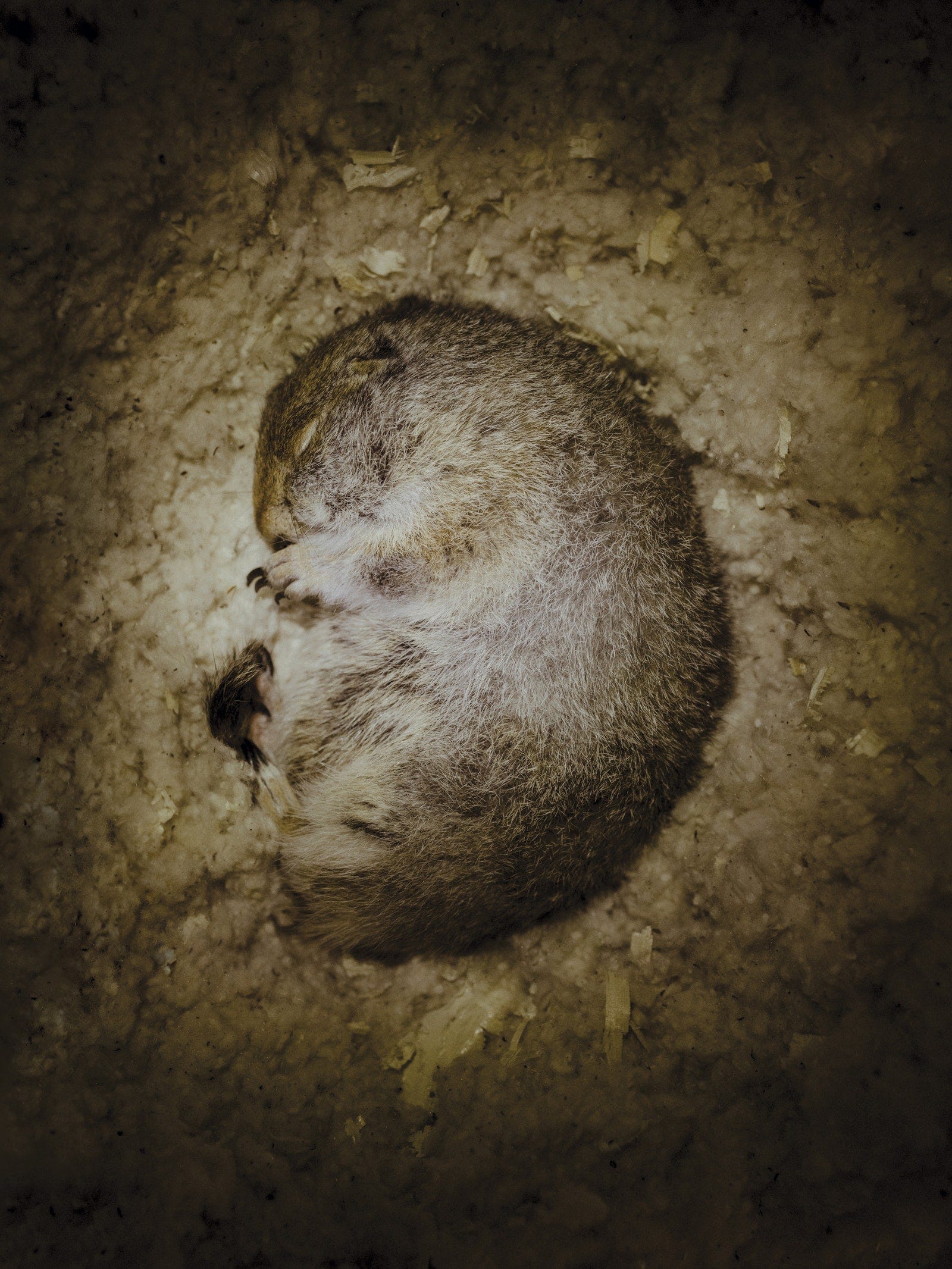
What if you could just hit the snooze button on life? Not in a freaky, sci-fi movie kind of way, but in a beneficial, life-saving way. Take the arctic ground squirrels as an example. Every September, they prepare for a long sleep. They curl up in their burrows and slowly lower their body temperature below freezing. As a result, their heart rate dramatically drops from about 300 beats per minute to a mere 3. Breathing becomes infrequent, with only a few breaths needed each hour. Metabolism also significantly slows down to 1% of its normal rate, with body fat becoming the main source of energy. When they finally wake up in spring, they're ready to scamper about, showing no traces of malnutrition, muscle atrophy, or any other diseases. This remarkable process, known as hibernation, is a masterpiece of a biology crafted by nature.
Hibernation is very common from insects and birds to mammals. “The distribution of hibernating species on the tree of mammals makes the likely conclusion that the common ancestor of all mammals was a hibernator,” says Sandy Martin hibernation scientist at the University of Colorado. It’s a smart way of nature to conserve energy during periods of scarce nutrition or difficult conditions by going into a state of “torpor” with biological functions fully intact but slow. Some females bears can even wake up to give birth.
The Science of Human Hibernation
This natural marvel has spurred scientific curiosity about the possibilities of inducing hibernation in humans, a concept that is no longer confined to the realm of science fiction. “As far as we know, there is nothing unique about homo sapiens that would prevent our species from hibernating” says Valdyslav Vyazovskiy a professor of sleep physiology at the university of Oxford.
However, the biology behind hibernation is not yet fully understood. Some scientists believe a chemical messenger called adenosine monophosphate (AMP) might play a role in the hypothalamus—the part of the brain that regulates sleep and body temperature. Many drugs have been developed to induce hibernation in animals that don't naturally hibernate, such as lab mice or rats.
“As far as we know, there is nothing unique about homo sapiens that would prevent our species from hibernating”
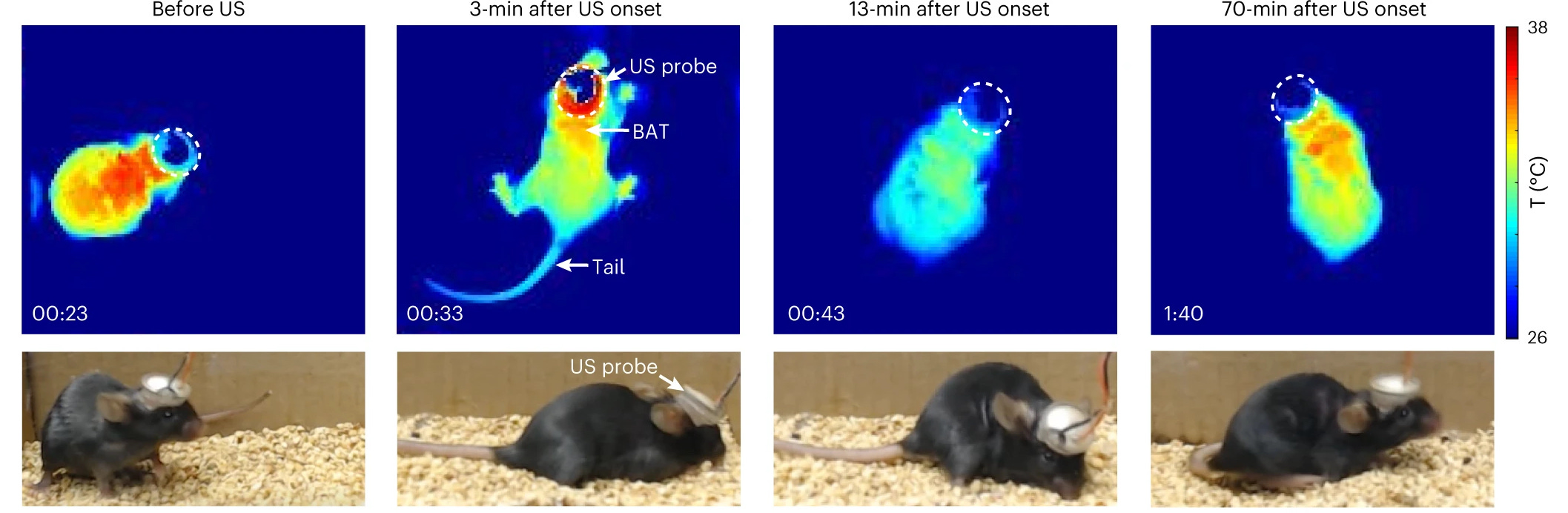
A recent study presents an exciting new avenue of research on the horizon. Researchers at Washington University in St. Louis have shown that hibernation can also be induced with a wearable ultrasound device. They also identified the ultrasound activation target, TRPM2, a protein in the cell membrane of hypothalamus cells. It was possible to make mice and rats enter a torpor-like state for 24 hours. Their next step is to test this device in larger animals such as pigs, and hopefully, in humans down the road.
Space Travel: Journey to Proxima Centauri
If you are a big fan of Star Trek or 2001: A Space Odyssey, you will truly appreciate the hibernation tech in space travel. This is not only a sci-fi fantasy but it could also become a reality. The truth is space travel is really long; a trip to Mars can take up to 9 months at a lightning speed of 17,500 miles per hour. And if we are more adventurous, a trip to Proxima Centauri, our neighbouring star system, will take 70,000 years. Developing hibernation tech will not only fend off the boredom of long space trips but could also protect astronauts from dangerous cosmic radiation and health problems resulting from immobility and low gravity.
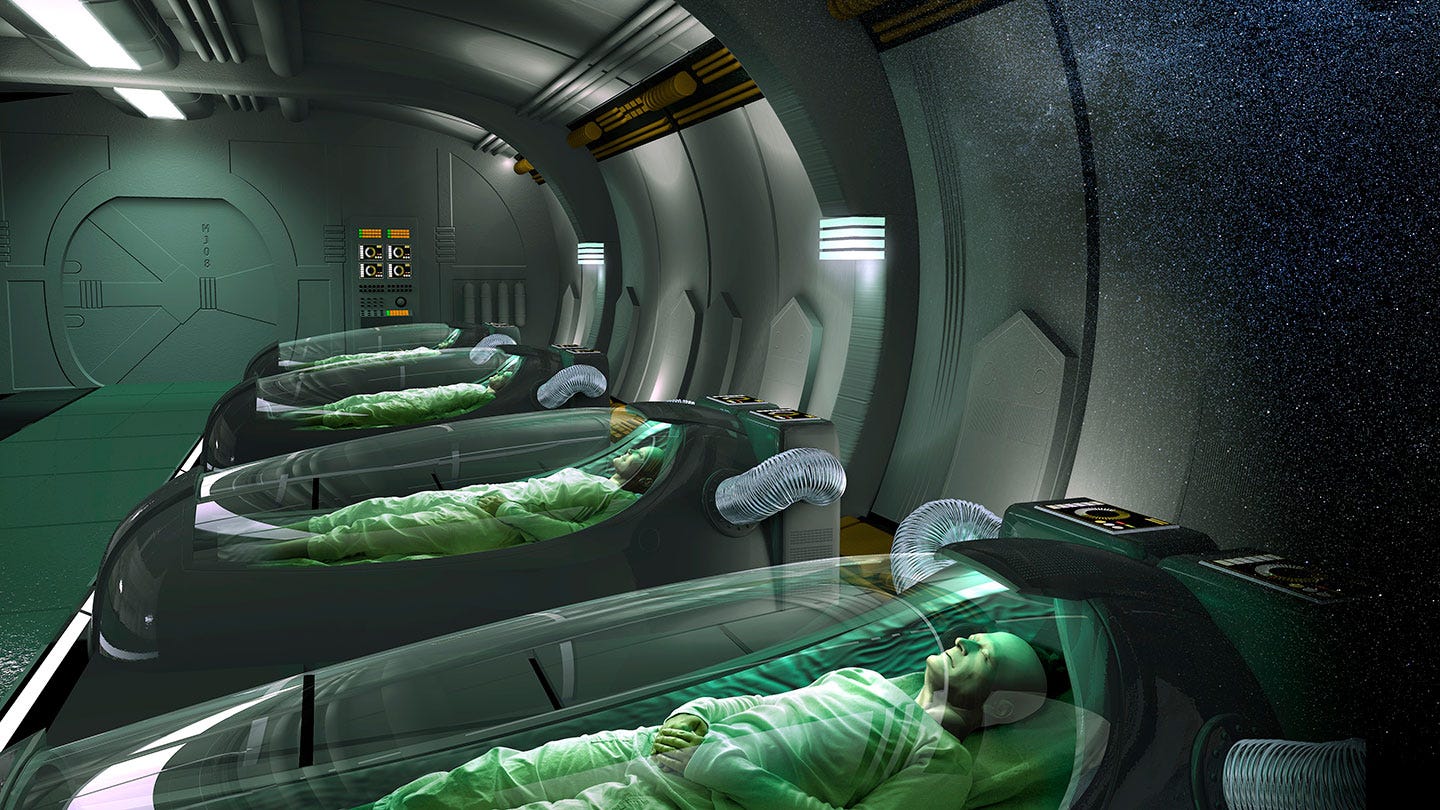
There are other benefits beyond long naps for astronauts; it’s important to reduce the spaceship cargo. NASA estimated the cost of $4.2M/kg for a potential human trip to Mars. An average astronaut needs 30 kg of food and water weekly which makes up almost one-third of spacecraft cargo. Research shows the amount of food cargo could be reduced by up to 75% by inducing hibernation in long space missions. Motivated by this rationale, NASA contracted SpaceWorks, an Atlanta-based company to evaluate “an advanced habitat system” designed to transport crews in inactive, torpor states during transit phases of a deep space mission. NASA could begin testing hibernation tech on human subjects as early as 2026. The European Space Agency (ESA) also expects testing in humans in the next decade.
Hibernation: a Medical Superpower in the Making
Unlocking the biology of hibernation and its potential applications extends beyond space travel. The potential applications of hibernation science in healthcare are staggering; it could potentially transform the way we treat various life-threatening and currently untreatable conditions, and even extend human longevity. Below are a few potential applications that could benefit from hibernation science.
Critical Care
Think of hibernation as a medical time machine. In critical situations like strokes, cardiac arrests or severe accidents, every second counts. Leveraging a technique known as therapeutic hypothermia, could potentially enable a larger window for treatment, improving chances of recovery. It’s currently limited to only one to two days due to potential side effects from the sedatives used.
Organ Transplantation
Similarly, organ transplantation is a race against time. Most organs can be kept viable for only a few hours. By borrowing from hibernation science, we could potentially extend this window significantly, allowing organs to travel further, and reducing the shortage of transplantable organs.
Chronic Conditions
Our understanding of hibernation could also give us insights into preventing and treating chronic diseases and even cancer. A California based startup, Fauna Bio, is using machine learning to analyse biobank data from animal hibernators. Their goal is to uncover disease-preventing genes and use this knowledge in drug development for chronic diseases with a large burden such as neurodegenerative and heart diseases.
Mental Health
We typically think of hibernation in terms of physical health, however, it may also have applications in mental health. We may be able to develop new treatments for conditions like depression, anxiety, or PTSD by understanding how hibernation affects brain function. Perhaps we could even learn how to "reset" the brain through a period of hibernation, offering new hope to patients struggling with mental health conditions.
Performance Enhancement
In the world of sports and athleticism, the ability to recover quickly is invaluable. Enhancing the body's natural healing processes could be an area for discoveries based on hibernation. This could revolutionise the world of sports medicine and beyond.
Human Longevity
Body size is a pretty good indicator of lifespan. That's why whales live longer than humans and much longer than mice. But hibernating animals break this rule, living nearly ten times longer than their same-sized, non-hibernating peers. As the late hibernation scientist and zoologist Raymond J. Hock put it: “A hibernator, with its greatly reduced annual energy expenditures, will live longer than a non-hibernating mammal of the same body size.” And research supports this theory, showing that hibernating animals actually lengthen their telomeres during their active season post-hibernation, potentially slowing biological ageing. Some scientist also believe that is an overlap between the hibernation genes and the longevity genes which strengthen the link between hibernation and longer lifespans. Jerry Wilkinson, a biologist at the University of Maryland, describes it like this: "It's like putting off getting older for months out of every year.”
Cryonics
Cryonics shares some common ground with hibernation. While hibernation slows metabolic processes, cryonics involves a complete suspension. Understanding the molecular and physiological mechanisms that allow hibernators to prevent cellular damage during periods of extreme cold could potentially help in developing better ways to preserve human bodies during the cooling process in cryonics, and in successfully reviving humans from a state of cryonic preservation.
“It's like putting off getting older for months out of every year.”
There are still challenges ahead.
While the concept of human hibernation holds great promise, it's clear that much more research is needed before we can fully understand and harness its full potential. Human hibernation also raises important ethical considerations. For instance, what would the physical and psychological effects of extended periods of hibernation be?
We're still in the early stages of understanding how hibernation works on a molecular level and how it could be safely induced in humans. The truth is there is no quick-fix solution for human hibernation. It takes a year to gather data about a hibernation cycle in animal models and then compare it to an animal's normal activity, which makes the research process slow. To make human trials possible, scientists still need to understand how hibernation affects cognitive abilities or memories, and what the ideal temperature for human hibernation might be without causing damage. Finding the molecular dials of hibernation could unlock a dormant mechanism lost in our evolution. “It’s possible we all have the genetic hardware,” says Martin. Trying to unlock this natural time machine, understanding how it works at the molecular level, and reverse engineering it could be the key to slowing down our body's biological clock. This could give us a few more spins around not only our sun, but other suns as well.
Thank you for your time and attention! If our newsletter resonates with you, we encourage you to share it with others who might also find it valuable.
We also welcome your feedback, so please leave a comment to let us know your thoughts.